“They keep sucking the soul out of everything and repackaging it.”
This line, delivered by Andy Sachs (Anne Hathaway) in The Devil Wears Prada 2, might refer to the acquisition of traditional media brands by corporate luxury tech, but it strikes a profound chord in the ESG and social impact space. It perfectly encapsulates the growing frustration with corporate “greenwashing” – the dilution of authentic, purpose-driven narratives into shallow content designed merely for clicks and compliance.


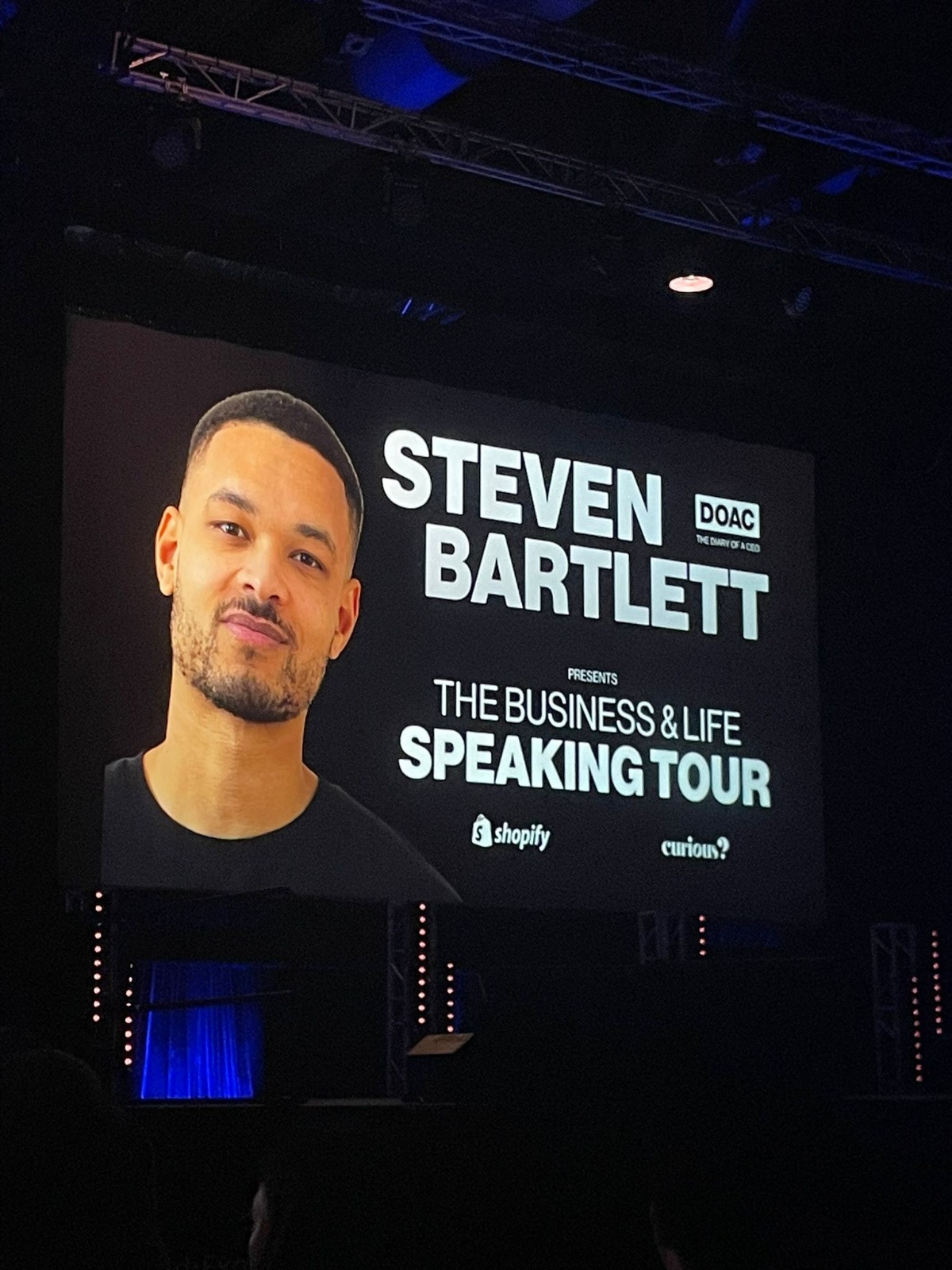
I was inspired to think more deeply about effective communication in the social impact space by two very different events this past week: attending a masterclass in public speaking and watching a movie about seemingly trivial luxury fashion brands.
Walking into the cinema last night, I wasn’t expecting much beyond light entertainment. Yet the film explores the idea that true, lasting success (unlike fleeting fashion trends), requires authenticity rather than just imitation. The storyline delivered sobering hard truths about the state of our society — a stark reminder of the importance of upholding integrity, exercising critical thinking, and verifying sources, especially when evaluating corporate ESG claims versus actual, measurable impact.
This cinematic reflection mirrored a key insight from leading fundraising strategist and emcee, Jennifer Wannenmacher, during a public speaking masterclass she gave to a full house in Hong Kong last week. She highlighted that leaders, particularly women, can “share personal stories or vulnerabilities without undermining authority,” which often makes them more credible.
This kind of “strategic sharing” builds connection rather than diminishing credibility. Owning team failures: saying, “I moved too fast because I was scared we’d lose momentum” and humanising difficult decisions are powerful tools for authentic leadership.

Jennifer also framed the broader business case for why this matters now more than ever. In the past, companies could do well without doing good. People, Planet, and Profit were treated as separate, even competing, priorities – and for a long time, the world let them get away with it. But the world has changed. Today, companies have to do good in order to do well. The social contract between business and society has been fundamentally rewritten, and stakeholders — from consumers and employees to investors and regulators — are holding companies to account. As Jennifer put it: better late than never, but better never than late to the game.
This shift plays out directly in the corporate sector. For companies to establish real credibility on the sustainability agenda, they must move beyond overclaims they cannot deliver on. Fancy graphics and elaborate exhibition stalls talking about how wonderful they are no longer cut it.
What we need are companies willing to roll up their sleeves and get down to the hard work. This means actively engaging with communities, listening to NGOs and social enterprises, and developing a joint agenda for change that brings about real impact — while being open and honest about the challenges they still face. Sustainability cannot be a box-ticking exercise; if it is, it will inevitably backfire.
In my previous life working at Weber Shandwick Shanghai, a multinational PR agency helping build brands in China, I saw firsthand that it takes years to build trust for a company, but only one event for that trust to be eroded.
While there is no quick way to rebuild trust, one of the best approaches is to be honest and open from the outset. Companies must be transparent about the problems they face. They need to own their missteps and say: “We got it wrong. This is why it happened, and now we want to work with people across society — particularly the local communities affected — to solve these problems.” And they must be very clear that there will be no quick solutions.
A powerful example of this radical transparency is Lego. In 2023, the company publicly admitted that it was abandoning its highly publicised plan to produce its iconic bricks using 100% recycled plastic bottles (RPET) . This decision came after more than two years of rigorous testing by their sustainability team of over 150 experts, who evaluated hundreds of alternative materials and conducted extensive life cycle assessments.
What they found was a hard truth: to scale the production of recycled PET, the level of disruption to their manufacturing environment meant they would need to change everything in their factories. Ultimately, the carbon footprint of the new process would have been higher than sticking with their current oil-based plastics. Rather than quietly burying the project or spinning the narrative, Lego owned the failure. They were honest about the data, transparent about the setback, and reiterated that true sustainability is complex and takes time.
By Pia Wong
Founder & CEO, Purpose Impact Action
At Purpose Impact Action, we believe that speed and rigour are not mutually exclusive and that fit-for-purpose, data-driven methodologies are the only credible way to demonstrate real value to funders, investors, and the communities we serve.
Contact us to learn more about how we can support you on your impact journey.
We’d love to hear if any of these insights resonate with you. Please share your thoughts or comments below: