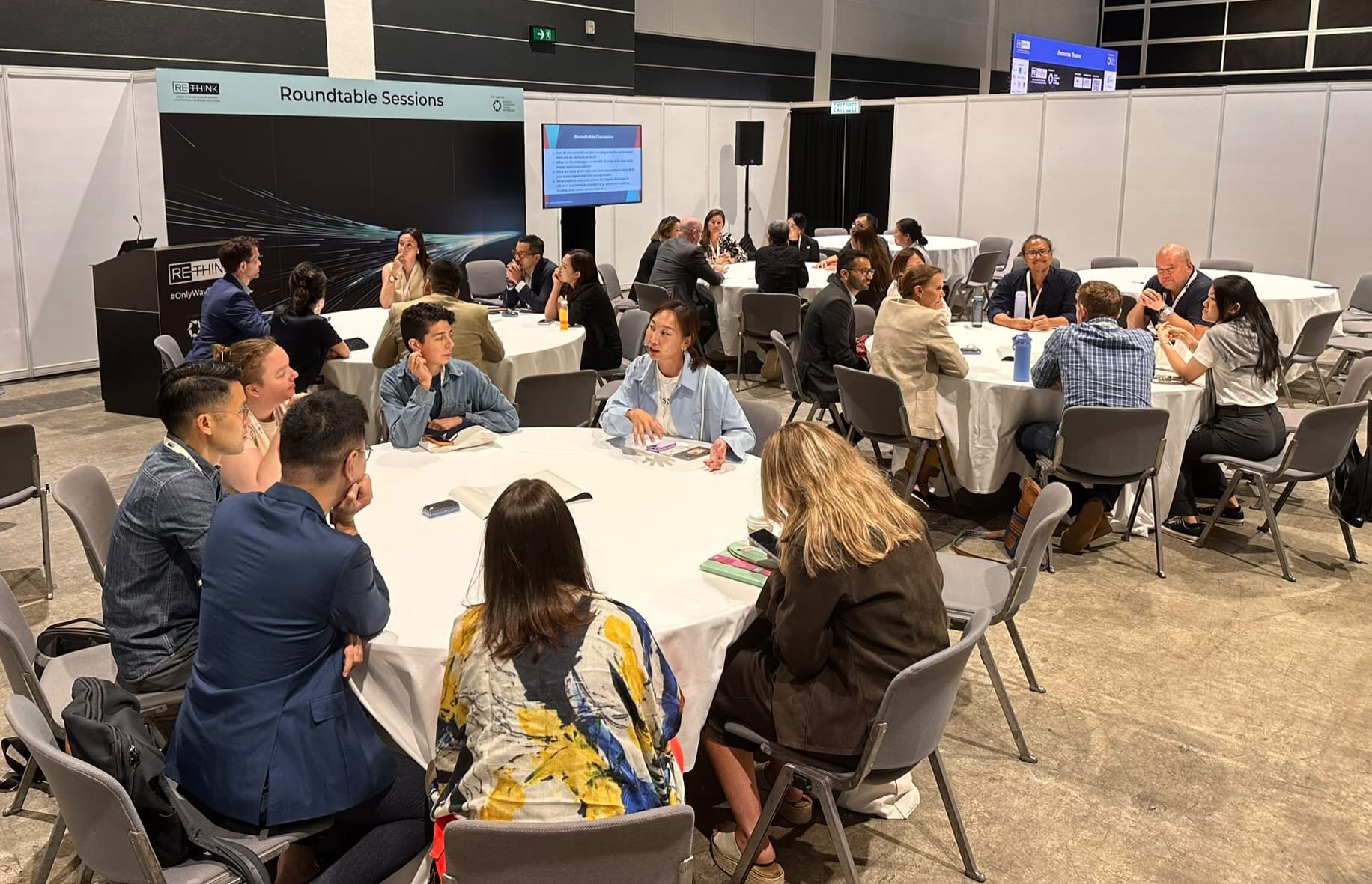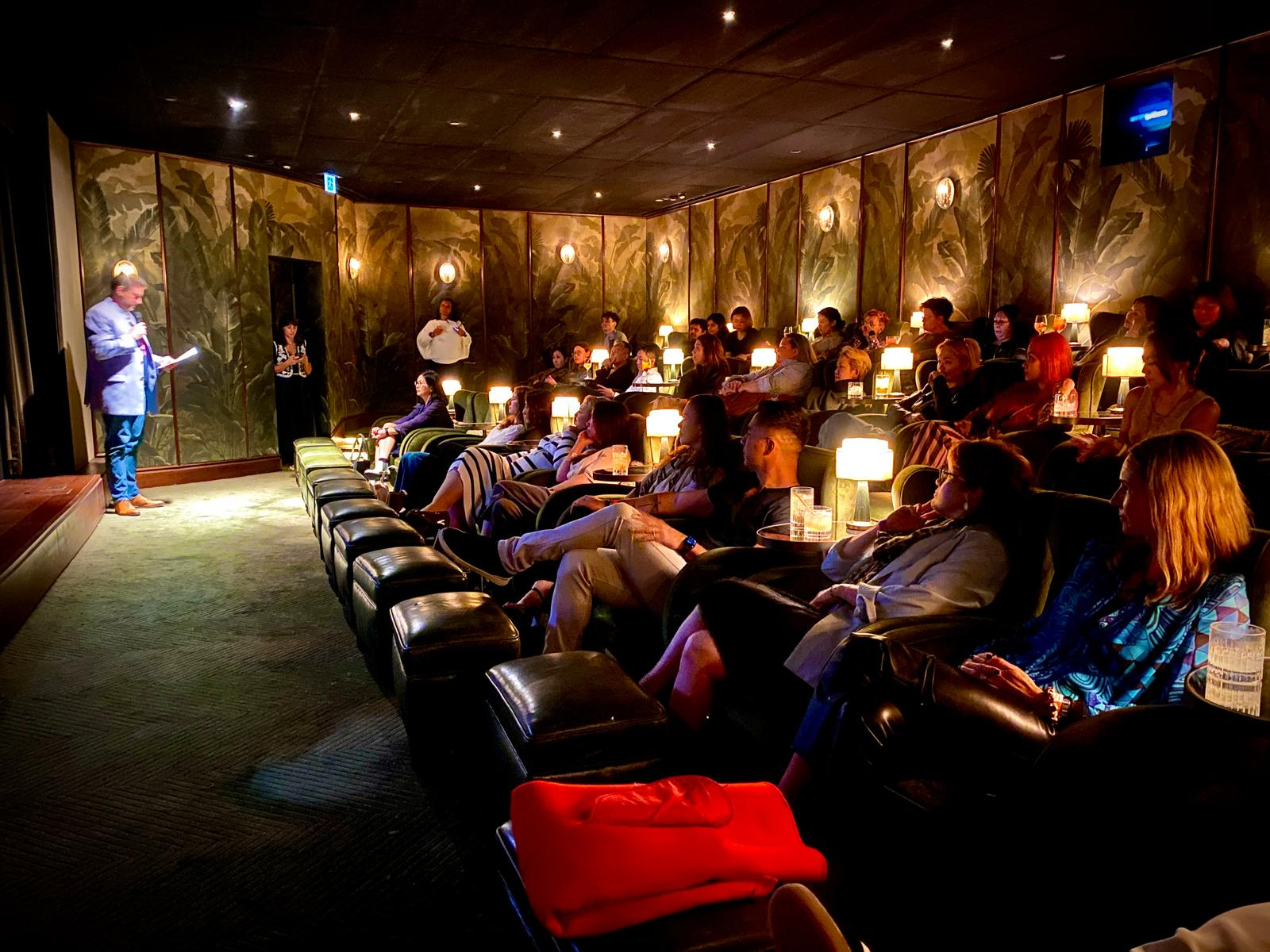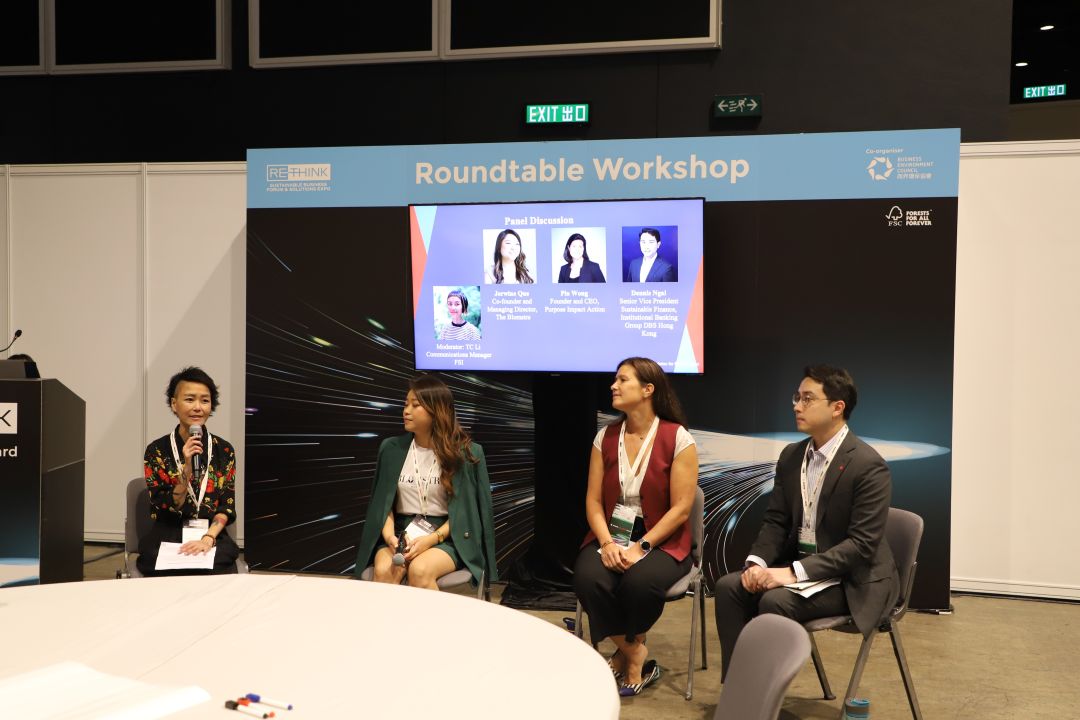
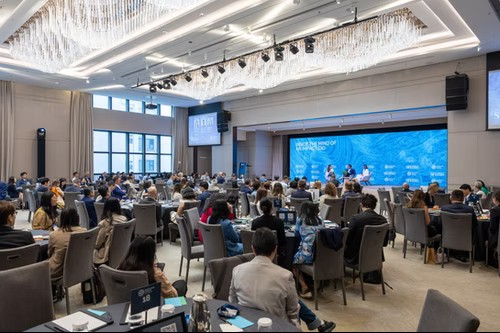
At last week’s SFi Impact Summit 2026 in Hong Kong, more than 300 leaders from across Asia Pacific gathered to explore the future of sustainable finance. One panel in particular, “Inside the Mind of an Impact CIO,” lived up to its title. It offered a rare and practical look at how leading investors are moving beyond ESG reporting towards decision-useful impact measurement: measurement that informs strategy, clarifies trade-offs, and strengthens accountability.
The part that stood out to me was not simply that investors are collecting more data. It was that they are asking better questions about how impact information can shape capital allocation, partner engagement, and long-term value creation.
Impact investing has matured rapidly in recent years. Across Asia and globally, more investors are asking not only whether capital can generate competitive financial returns, but also whether it can contribute meaningfully to people, communities and the planet. This shift is important. The real test is not whether we can collect more impact data. It is whether we can use that data to make better decisions.
The panel, brought together leaders working at the intersection of investment, accountability and impact including Hareesh Nair, Chief Investment Officer at Tsao Pao Chee Group and Noelle Laing, Chief Investment Officer at Builders Vision.
If you haven’t heard of Builder’s Vision, it has an incredible back story and highly recommend you read the story of how the founder, Walmart heir, Lukas Walton “Deployed US$3 Billion to Change The World.”
Moving beyond “more metrics”
One of the most interesting ideas from the panel was the use of a proprietary “life flourishing” framework to assess how investments contribute to a broader well-being economy. Rather than relying only on conventional financial or ESG indicators, this approach asks a deeper question: how does an investment affect the quality of life and flourishing of the people and systems it touches?
This is where impact measurement becomes more than a technical process. The choice of what to measure reflects what an organisation values. A framework focused on life flourishing encourages investors to look beyond outputs and ask whether their capital is supporting meaningful, sustained change.
For mission-driven organisations, this distinction matters. Many organisations already collect data, but the data often sits in spreadsheets, disconnected from strategic decision-making. The challenge is not simply to add more indicators. The challenge is to design a framework that connects activities, outcomes and learning in a way that is clear enough to guide action.
Making trade-offs visible
The panel also explored the idea of mapping impact alongside financial returns. Nair described an ambition to plot investments across two dimensions: financial performance on one axis and life flourishing on the other. This type of matrix is powerful because it makes trade-offs visible.
Not every activity will sit neatly in the “high impact, high return” quadrant. Some initiatives may create significant social value while generating limited financial return. Others may produce stable returns that help finance the wider mission, even if their direct impact contribution is more modest. What matters is that these differences are understood, discussed and managed intentionally.
For boards, funders and investors, this kind of clarity is valuable. It moves the conversation away from vague claims that “doing good and doing well” always align perfectly. Sometimes they do. Sometimes they require thoughtful balancing. A robust impact framework gives decision-makers a shared language for having that conversation honestly.
| Measurement question | Why it matters for decision-making |
| What outcomes are we trying to create? | Clarifies the purpose of the investment, programme or grant before data collection begins. |
| How do these outcomes relate to financial performance? | Helps leaders understand where impact and return reinforce each other, and where trade-offs may exist. |
| Which stakeholders experience the change? | Keeps measurement grounded in people’s lived realities rather than abstract indicators. |
| How will the findings be used? | Ensures that measurement supports learning, strategy and accountability, rather than becoming a compliance exercise. |
This is where Theory of Change work becomes particularly important. A Theory of Change does not just describe what an organisation hopes will happen. It provides a testable logic for how change is expected to occur, what assumptions need to hold true, and what evidence is needed to assess progress.
Embedding impact internally

Perhaps one of the strongest signals from the panel was the integration of impact metrics into internal incentive structures. Tying aspects of employee incentive pay to impact, alongside financial returns, is not a small step. It sends a clear message that impact is not a side conversation. It is part of how performance is understood. I recall this was also transformative for L’Occitane Group when they were trying to achieve their B Corp certification – as soon as they tied their employee compensation to B Impact Assessment metrics, not only were they able to successfully achieve their B Corp status, but it brought the staff from all the different offices together to achieve the goal.
Of course, this must be done carefully. Poorly designed incentives can distort behaviour, encourage superficial reporting, or over-simplify complex outcomes. But when developed with rigour, expert input and ongoing learning, incentive structures can help align culture with mission.
What this means for mission-driven organisations
The SFi Summit panel offered a timely reminder that the future of impact measurement is not about choosing between financial discipline and social purpose. It is about building systems that allow organisations to understand both more clearly.
For nonprofits, foundations, family offices and businesses in Hong Kong and across Asia, this has practical implications. Funders increasingly want evidence of outcomes, not just activity. Boards want confidence that resources are being used well. Teams need feedback loops that help them adapt. Stakeholders deserve to see that their experiences are reflected in how success is defined.
This is exactly where fit-for-purpose methodology matters. Not every organisation needs a complex AI-enabled platform or a large internal impact team. But every organisation does need a clear framework, proportionate tools and the discipline to use findings for learning and decision-making.
At Purpose Impact Action, we often see organisations that are already measuring something. The opportunity is to turn that measurement into a stronger impact story: one that is credible to funders, useful for internal learning, and grounded in the realities of the people and communities being served.
The question, then, is not whether impact can be measured perfectly. It cannot. The better question is whether our measurement systems are helping us make wiser decisions, ask better questions, and stay accountable to the change we say we want to create.
By Pia Wong
Founder & CEO, Purpose Impact Action
We’d love to hear if any of these insights resonate with you. Please share your thoughts or comments below: