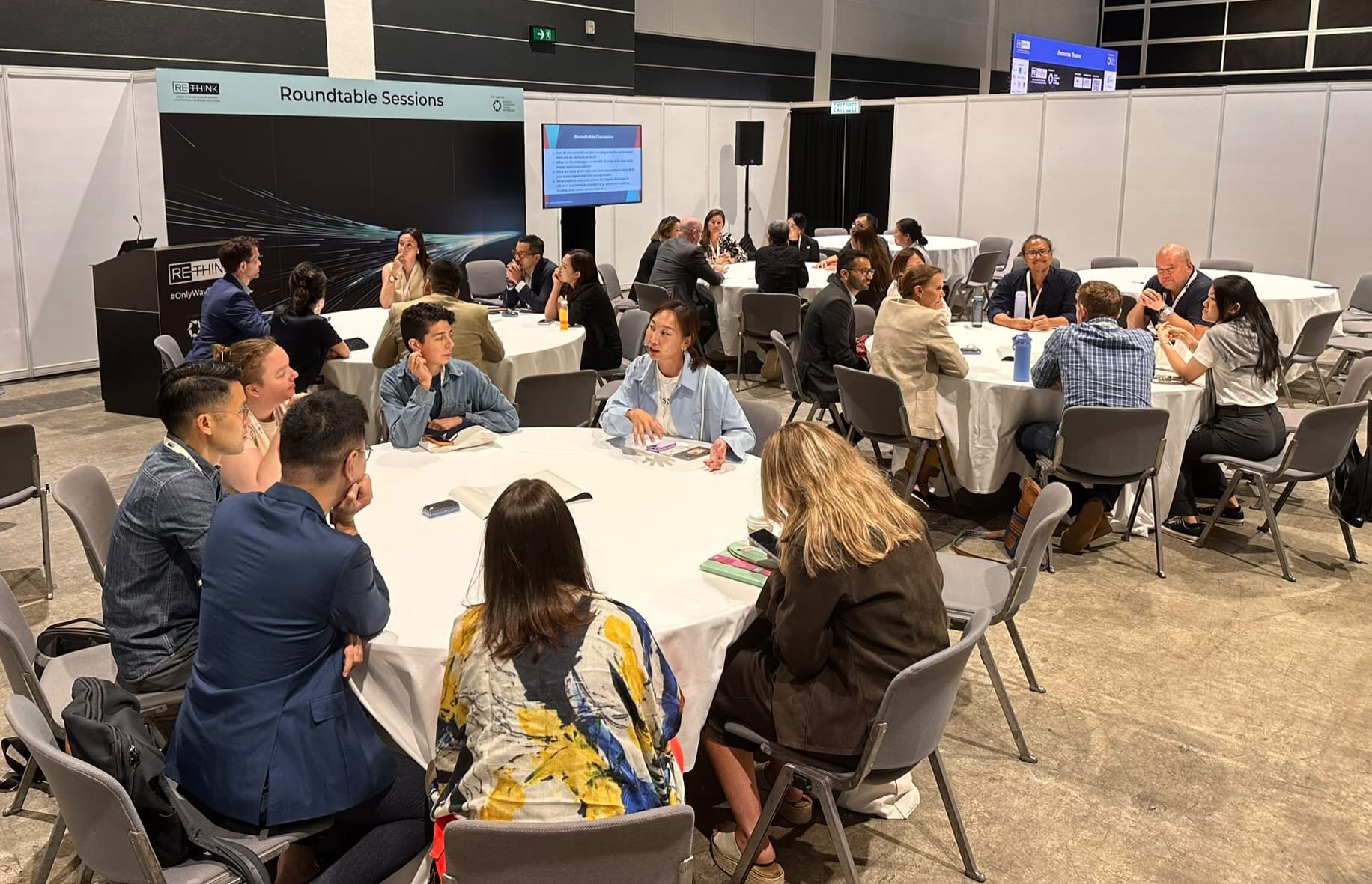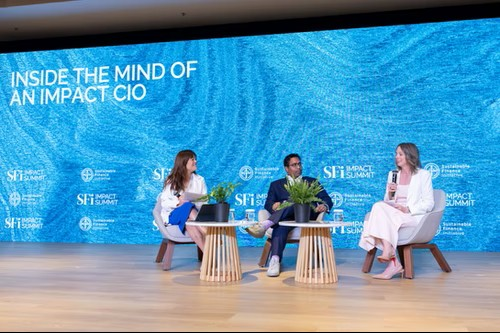
Yesterday, I attended a debate that cut right to the core of what we do in the social impact sector. Professor Peter Singer — moral philosopher and founder of The Life You Can Save — argued that philanthropy must be guided by rigorous evidence and rational analysis. Professor Brian Wong argued for the irreducible role of personal intuition, emotion, and human connection in how and why we give.
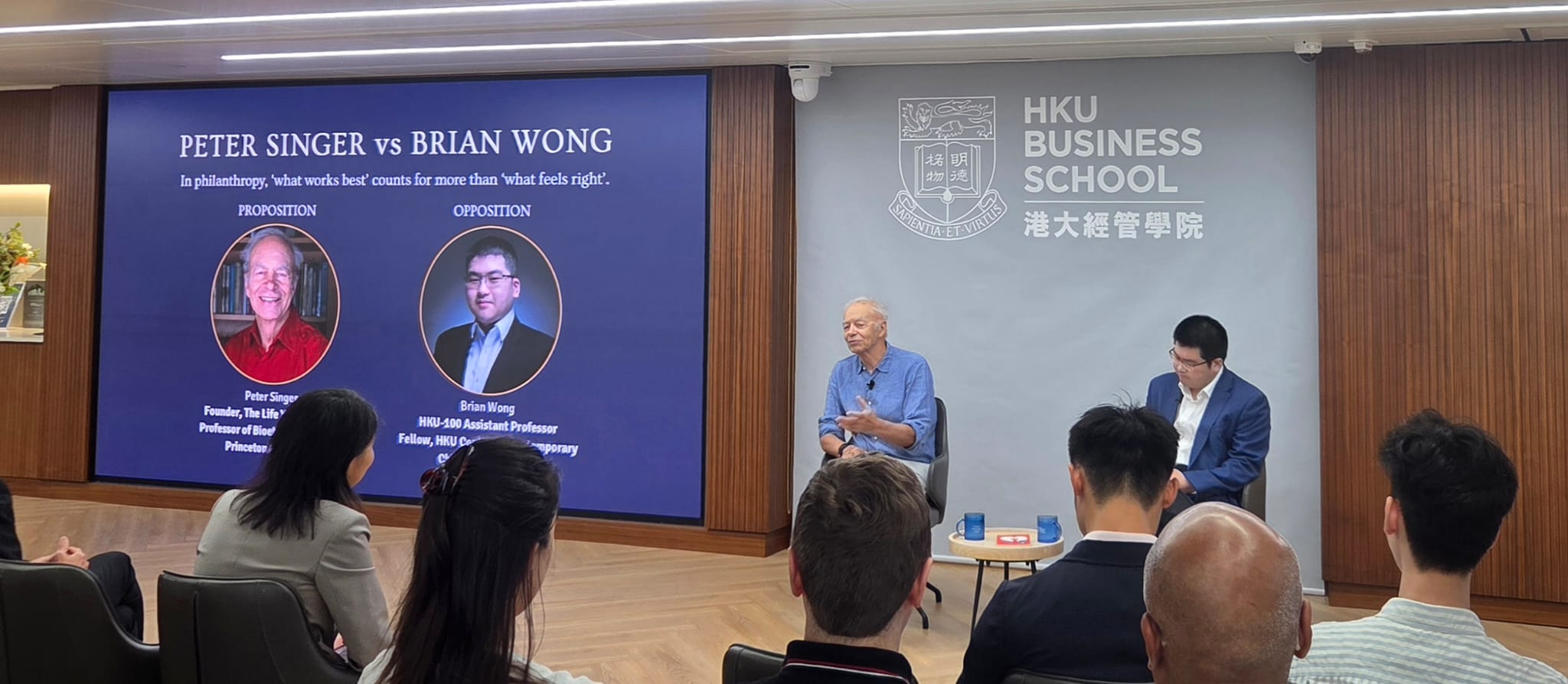
Debate Motion: In philanthropy, what works best counts for more than what feels right.
As someone who helps organisations build data-driven impact measurement frameworks, you might assume I was firmly in Professor Singer’s corner. But as the debate unfolded, it became clear that framing this as a choice between evidence and emotion misses the reality of how lasting social change actually happens — and that some of the most persistent myths in philanthropy sit on both sides of that divide.
When Good Intentions Fail
Professor Singer opened with the “PlayPump” — a merry-go-round device designed to pump water in rural villages while children played. It attracted celebrity endorsement and significant funding. But follow-up evaluations told a different story: children lost interest, leaving women to manually operate a mechanism harder to use than the original hand pump. A well-intentioned initiative had produced net harm.


His point was sharp: philanthropy should not only “work” – it should deliver the best possible value per dollar. Why spend $40,000 to train a guide dog in a developed country when $25 can prevent blindness from trachoma in a developing one? A 1,600-fold difference in impact.
The Limits of Pure Effectiveness
Singer extended this logic to what he calls “luxury philanthropy” – and here is where I found myself pushing back. He cited music mogul David Geffen’s $100 million donation to renovate the Lincoln Center concert hall in New York, now known as David Geffen Hall, as a prime example of misallocated giving. Singer’s argument: with that same sum, a donor could save countless lives or prevent blindness for millions of people in the developing world. Subsidising a concert hall for the already well-off, he contends, is morally indefensible when over a billion people live in extreme poverty.
It is a rhetorically powerful argument. But I think it is also an incomplete one.
The arts are not simply entertainment for the privileged. Research consistently shows that access to the arts improves mental health, builds social cohesion, reduces isolation, and strengthens community identity — outcomes that are deeply relevant to well-being and social participation. Lincoln Center serves over five million people annually, runs extensive community and education programmes, and has been a catalyst for the cultural and economic regeneration of an entire neighbourhood. These are not trivial outcomes. They are simply harder to reduce to a cost-per-life-saved calculation.
More fundamentally, Singer’s framework assumes that all philanthropic dollars are fungible — that a dollar not given to trachoma prevention is a dollar that could have been. But the reality of donor psychology is more nuanced. The passion that leads a music lover to give transformatively to the arts is rarely the same impulse that would redirect to global health interventions. Dismissing that gift as morally inferior risks alienating an entire ecosystem of donors whose giving, in its own domain, creates genuine and lasting value. It is also worth noting that the evidence base Singer relies on is not the only rigorous one. The UK’s Department for Culture, Media and Sport has produced some of the most methodologically robust work on quantifying the wellbeing value of cultural participation: Check it out here: using longitudinal data and econometric analysis to link arts engagement to measurable outcomes in health, education, and civic life. Economists are actively developing the tools to put cultural impact on the same evidence footing as global health interventions.
This does not mean all giving is equally effective. It means that effectiveness must be assessed within context — and that a framework which can only recognise one type of impact will inevitably miss much of the good that philanthropy actually does.
The Engine of Sustainable Giving
Professor Wong countered Singer’s evidence-first position with a personal account of visiting overcrowded subdivided flats in Hong Kong during COVID-19, where families of five or six paid HK$7,000 a month for a single room. He acknowledged the impossibility of assigning a QALY value to a conversation with a child — yet argued such acts are intrinsically right.

His deeper point: emotional engagement is what sustains long-term philanthropic commitment. Numbers and data are often cold and unmoving. It is narratives and personal connections that drive continued giving, hold NGOs accountable, and spark public demands for systemic change.
The Risks of Extremes
When asked to identify the greatest risks of their own positions, both speakers were disarmingly honest. Singer pointed to the FTX collapse as a cautionary tale of efficacy-driven overconfidence — what happens when someone believes they are a “super person” capable of doing immense calculated good. Wong identified inertia: feelings-based giving can become a de facto excuse for defaulting to decades-old habits without scrutiny or accountability.
The Missing Piece: Soft Outcomes Are Measurable
The debate left one important dimension unexplored — and it is one I believe is critical to resolving the tension.
Professor Wong was right that you cannot easily assign a dollar value to a conversation with a child. But that does not mean such outcomes are beyond the reach of measurement. This is a misconception I encounter regularly, and one that inadvertently gives philanthropists permission to avoid accountability for the very outcomes they care most about.
Behavioural change, shifts in attitudes, growth in confidence, and improvements in self-efficacy are all measurable. Through validated psychometric tools, pre- and post-surveys, reflective interviews, and longitudinal tracking, it is entirely possible to capture whether a programme has genuinely changed how someone thinks, feels, or acts — not just what they received. This is a significant part of the work we do with our clients at Purpose Impact Action.
The challenge is not that these outcomes are immeasurable. It is that measuring them requires more rigour and creativity than counting outputs. But when done well, it closes the gap between what data can capture and what humans actually experience — and that is exactly where the most meaningful impact lives.
Finding the Synthesis
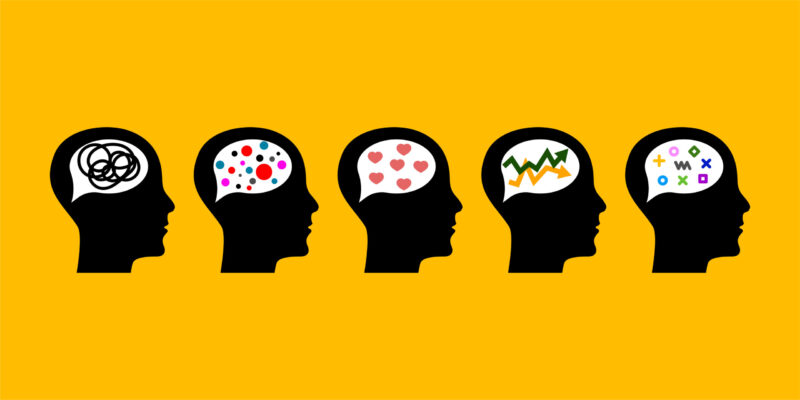
We need the heart to care enough to act, and the head to ensure our actions truly matter. The best impact decisions happen when rigorous data is combined with a deep, empathetic understanding of the communities being served — and when we resist the temptation to declare entire categories of giving morally inferior simply because they resist easy quantification.
The real myth in philanthropy is not that emotion matters, or that evidence matters. It is that we have to choose between them.
By Pia Wong
Founder & CEO, Purpose Impact Action
If you are interested in moving beyond good intentions to build a robust, evidence-based impact measurement framework for your organisation, contact us to learn more about who we can support you on your impact journey.